No products in the cart.

Menu
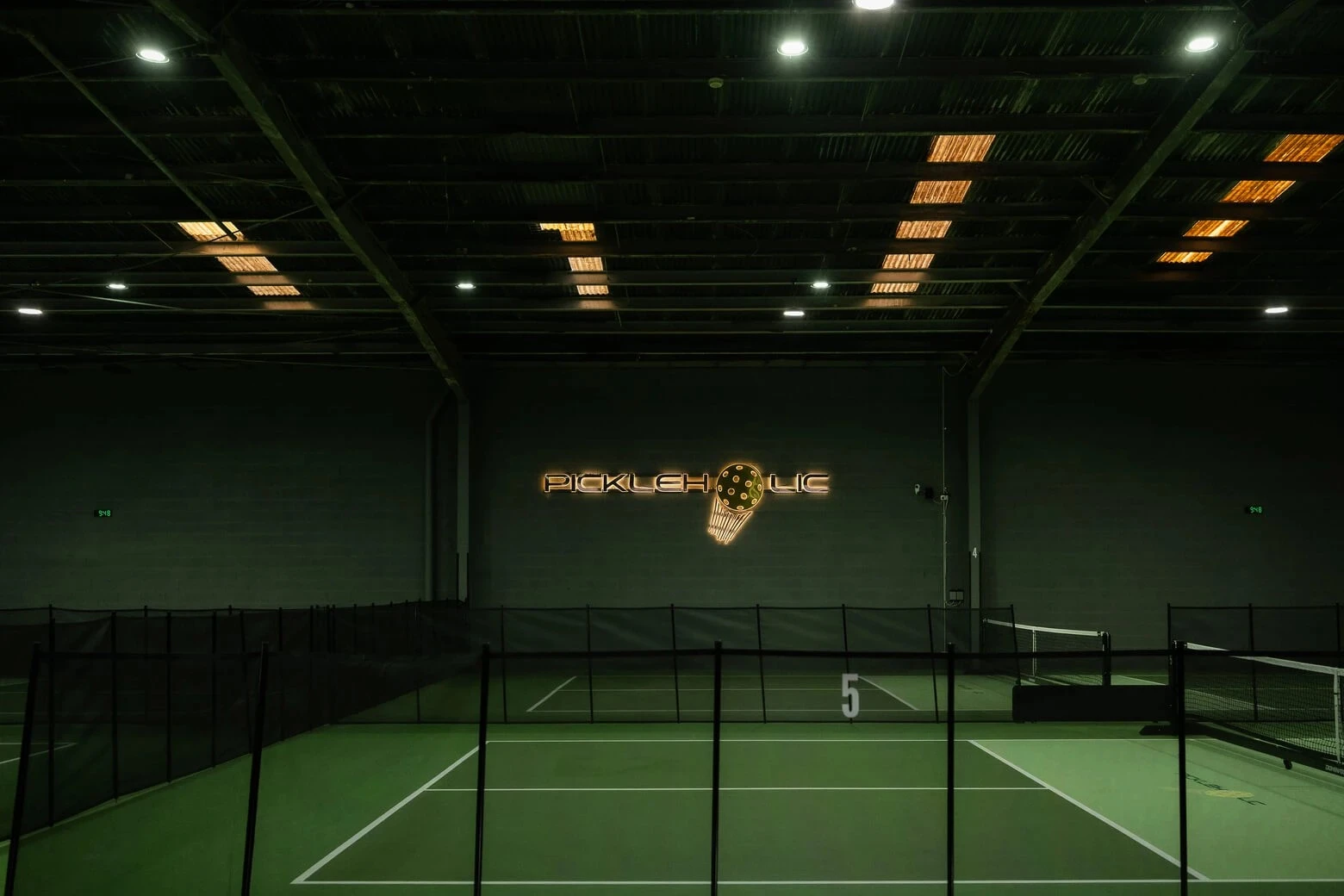
Pickleball continues to grow rapidly across Australia thanks to its low entry barrier, strong social appeal, and suitability for all age groups. As participation expands, one of the most common questions new and returning players ask is where to find reliable pickleball courts and which playing environments best support both casual enjoyment and long-term skill development.
This guide focuses on the full landscape of pickleball courts in Australia, including public and community venues, indoor and outdoor facilities, shared-use environments, and practical considerations when choosing suitable pickleball court locations. It also explains how court conditions influence learning quality and equipment selection—particularly for players training on public and multi-use facilities.
As an Australian brand supporting grassroots and community-level pickleball, Sypik Australia actively works with local clubs and social groups to ensure players have access to equipment that performs consistently across a wide range of court environments.
Across Australia, most pickleball courts are not purpose-built venues. Instead, they are typically set up within existing infrastructure, such as tennis courts, multi-sport hard courts, and indoor sports halls. This shared-use approach allows councils and community clubs to introduce pickleball quickly and with relatively low investment.
This development model also means that the availability of pickleball courts is often managed through shared booking systems rather than dedicated pickleball schedules. As a result, players should expect rotating access times, portable nets, and temporary court layouts, especially at smaller community venues and school-based facilities.
Outdoor community pickleball courts in public parks are the most widely available option and usually operate as open-access or council-managed facilities. Shared tennis courts with permanent or temporary pickleball line markings are also very common, allowing multiple pickleball courts to be set up on a single tennis surface. Indoor multi-sport courts inside recreation centres and school gymnasiums provide a weather-protected alternative and are often used for organised sessions and coaching.
These different formats of pickleball courts each offer distinct advantages for beginners and social players. They also come with limitations such as restricted booking windows, shared user traffic, and varying net and line quality. Understanding the type of venue you are using helps you better plan session times, equipment needs, and realistic practice expectations.
This adaptive model allows councils and clubs to scale pickleball participation efficiently. On a standard tennis court, up to four pickleball courts can be accommodated, which significantly increases court capacity and makes shared scheduling practical for mixed sports programs.
This flexibility also makes it easier for local councils to respond to growing demand for pickleball courts without long construction timelines. As participation continues to rise across Australia, shared infrastructure provides a practical pathway for expanding access while keeping operating and maintenance costs under control.
Because facilities are adapted rather than purpose-built, pickleball courts can differ noticeably from venue to venue. Players may experience changes in surface friction and wear, lighting quality and glare, the type and stability of net systems, and the amount of run-off space available behind the baselines.
These variations on pickleball courts directly affect ball bounce, movement timing, and visual tracking, which means players often need a short adjustment period when visiting a new venue. Being aware of these differences helps reduce early errors and allows players to adapt their positioning and shot selection more effectively during the first few games.
When researching new pickleball court locations, players should confirm whether permanent court lines are installed, whether nets are provided on site, and which time slots are officially allocated for pickleball play. These details strongly affect how smoothly social and training sessions run.
In addition, checking basic amenities around pickleball courts—such as lighting availability, parking access, and on-site supervision or booking requirements—can help avoid unnecessary disruptions. A small amount of preparation ensures players spend more time playing and less time resolving access or setup issues when they arrive.
In shared environments, surface abrasion and frequent transport between venues place greater stress on gear. Using appropriate pickleball equipment helps reduce performance variability across different pickleball courts and protects paddles and balls when moving between multiple public and community locations.
Selecting durable paddles, outdoor-rated balls, and protective covers becomes especially important when players rotate between parks, schools, and community venues. Reliable, hard-wearing pickleball equipment helps maintain a consistent feel from court to court while reducing damage caused by rough surfaces and repeated transport.
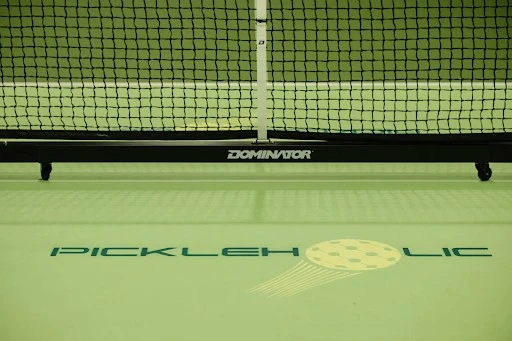
Public pickleball courts form the foundation of grassroots participation across Australia. These venues are most commonly operated by local councils, community sport organisations, and educational institutions, providing affordable and accessible spaces for social, recreational, and entry-level competitive play.
In practice, most public pickleball courts are found inside local recreation centres, shared tennis club facilities, school and university gymnasiums, and community sports precincts that support multiple activities. This shared-use model allows pickleball to grow quickly without the need for dedicated standalone venues.
Players typically use public pickleball courts through open social sessions, casual court bookings, or club-organised weekly play programs. These formats allow beginners and returning players to join without long-term membership commitments, making public venues the main entry point for most Australian participants.
In many regions, official council websites do not clearly list pickleball court locations. Instead, players commonly find new venues through local pickleball club pages, community Facebook groups, and announcements published by recreation centres and sports facilities.
Because public courts often require players to transport equipment, set up temporary nets, and store personal items courtside, practical pickleball accessories such as paddle covers, overgrips, and compact carry bags help protect equipment, maintain grip consistency, and reduce wear when moving between different public and community venues.
The growing availability of indoor pickleball courts is increasingly important across Australia, especially in regions affected by extreme heat, heavy rainfall, and strong winds. Indoor facilities allow players to maintain regular training and social sessions without relying on weather conditions that frequently disrupt outdoor play.
Most indoor pickleball courts are located within multi-sport recreation centres, school and university sports halls, and privately operated indoor sports complexes. These venues usually adapt existing basketball or badminton courts, allowing pickleball sessions to be scheduled alongside other community sport programs.
Indoor venues provide stable lighting, eliminate wind interference, and create more predictable ball flight. This consistency makes indoor courts particularly suitable for structured coaching sessions, technical drills, and controlled practice focused on contact quality and positioning.
For beginners, indoor environments support consistent contact quality, more reliable touch development, and reduced visual and environmental distractions. This allows players to focus more effectively on swing mechanics, spacing, and shot control without constantly adjusting to external factors.
Indoor court surfaces are often smoother and faster than outdoor acrylic courts, which can noticeably change bounce behaviour and paddle feedback. Selecting a balanced and forgiving pickleball paddle helps players adjust more comfortably when alternating between indoor and outdoor venues and reduces disruption to developing technique.
Understanding pickleball court rules is essential when playing at shared and public facilities across Australia. In addition to the official rules of the game, most venues apply local operating policies that directly affect how courts are used, scheduled, and rotated during busy sessions.
Many shared facilities enforce court rotation systems during peak hours, apply time limits per match, and require players to follow specific net set-up and storage procedures. Some venues also introduce footwear requirements to protect indoor or multi-use surfaces and reduce long-term wear.
In shared environments, player behaviour directly influences whether pickleball continues to receive allocated court time. Respecting booking systems, following rotation rules, and ensuring smooth court turnover help maintain positive relationships with venue operators and other sporting groups.
For beginners, applying simple and practical pickleball tips such as clearing the court efficiently after games, monitoring neighbouring play to avoid interruptions, and communicating courteously with other users makes it much easier to integrate into mixed-use facilities and regular social sessions.
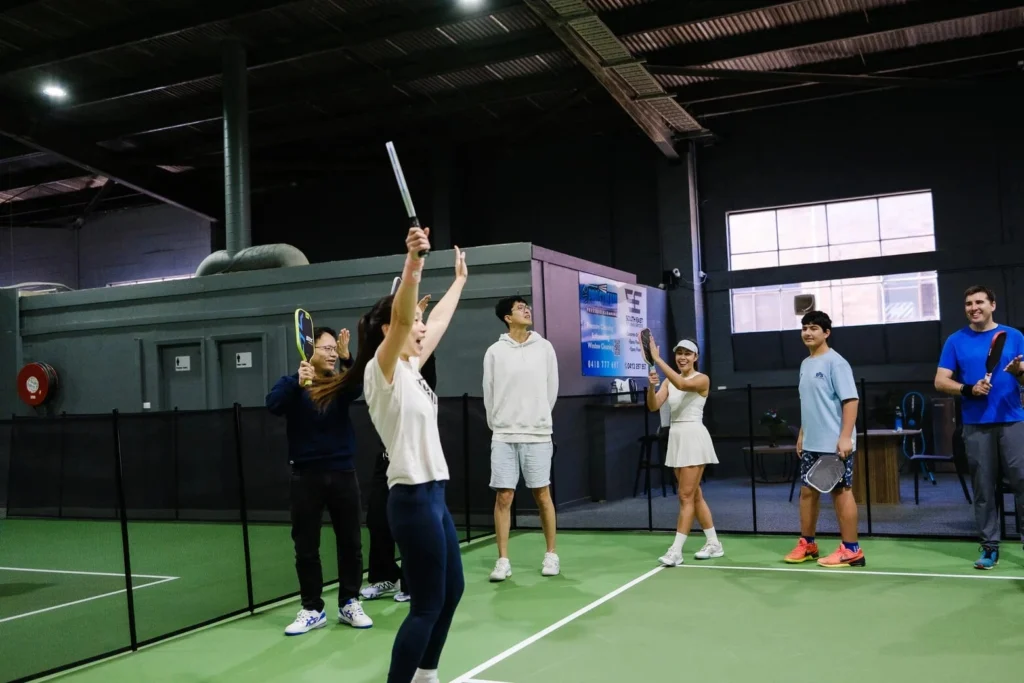
Not all pickleball courts provide the same learning conditions. The physical setup of a court directly influences how easily players can repeat strokes, control spacing, and stabilise technique. Training on courts that actively support pickleball skills development reduces unnecessary disruption and allows players to focus on execution rather than constant adjustment.
Courts that genuinely support learning typically provide adequate run-off space behind the baselines, properly tensioned nets at regulation height, clearly visible line markings, and minimal visual clutter behind the end lines. Together, these elements improve depth perception, movement timing, and contact consistency during extended rallies.
For beginners and developing players, quieter sessions and designated training periods are especially valuable. Fewer interruptions allow longer rallies, better shot tracking, and more focused repetition, which accelerates early technical stabilisation and confidence on court.
Appropriate training courts make it significantly easier to develop third-shot drops, defensive resets, controlled dinking patterns, and disciplined positioning near the non-volley zone. These skills rely heavily on predictable bounces, clear visual references, and sufficient recovery space.
Overcrowded social sessions often force rushed shot selection and shortened rallies. This reduces meaningful repetition and limits feedback, which can slow long-term technical improvement despite high overall playing time.
Australian court environments place specific demands on equipment due to the high proportion of outdoor and shared-use facilities. Players regularly encounter high surface abrasion, prolonged UV exposure, frequent transport between venues, and extended outdoor social sessions, all of which accelerate wear and amplify equipment-related performance inconsistencies.
Many recreational players participate in two-hour or longer sessions, particularly in community and club-based play. Over time, heavier paddles can contribute to cumulative arm fatigue, especially for players without a racket-sport background. Well-balanced lightweight pickleball paddles help reduce forearm and shoulder strain, improve reaction speed during fast kitchen exchanges, and maintain technical quality as physical fatigue increases.
While lighter designs support faster handling, extremely light paddles may sacrifice stability during deeper defensive shots and baseline resets. This can lead to inconsistent feedback at contact and greater variation in ball depth, particularly when players are forced to defend under pressure.
Sypik Australia designs its paddle ranges to preserve frame rigidity and consistent surface response while maintaining practical swing weight. This balance allows players to adapt more easily across different public court surfaces without constantly adjusting swing mechanics or compensating for unpredictable paddle behaviour.
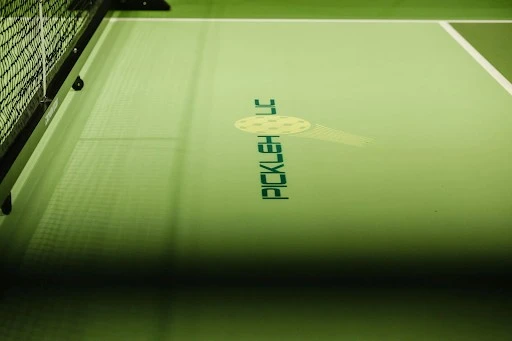
For newcomers exploring local pickleball courts for the first time, pickleball starter sets provide a convenient and low-risk way to begin playing without needing to assemble individual items. Starter bundles simplify the setup process and help new players focus on learning the game rather than comparing specifications and equipment options.
Well-designed entry sets typically include reinforced-edge paddles, outdoor-rated balls, and a simple protective carry bag. This combination supports regular use on public and community courts, where surface abrasion and frequent transport are common and can quickly damage lower-quality equipment.
Starter solutions are particularly suitable for families, school programs, workplace social groups, and community-run sessions, where multiple players often share equipment across different time slots and venues. In these environments, consistency of paddle response and ball behaviour is more valuable than short-term performance features.
Not all starter kits deliver the same learning benefits. Sets that prioritise durability and a balanced paddle feel provide a far more stable platform for early timing and spacing development than low-cost kits that lose surface texture, edge integrity, and structural consistency after limited use.
Sypik Australia’s beginner-focused bundles are designed to preserve predictable paddle behaviour across repeated sessions on public courts. By maintaining consistent feedback at contact, these starter solutions help new players build confidence more quickly when moving between different community venues.
When suitable starter equipment is paired with structured pickleball beginner tips delivered by clubs or coaches, early learning becomes more efficient. Players progress faster, experience fewer frustration-driven setbacks, and remain more engaged during their first weeks of regular court use.
The rapid expansion of pickleball courts Australia-wide reflects a broader shift in how Australians engage with community and recreational sport. Easy access to local courts has become one of the strongest drivers of participation, especially in mixed-age and social playing environments.
Pickleball continues to grow because it combines low financial barriers, simple court-conversion options, and strong social and intergenerational appeal. Councils and community operators can introduce new sessions quickly without major infrastructure upgrades, which significantly accelerates adoption.
Australian pickleball communities increasingly include older adults seeking low-impact physical activity, younger players transitioning from tennis and badminton, families playing together across generations, and corporate or social sport groups looking for inclusive formats.
As councils observe rising participation levels, investment usually follows in the form of permanent pickleball line installations, dedicated pickleball time blocks within existing facilities, and growing support for community competitions and local events.
Sypik Australia works closely with local clubs and community programs to supply equipment that supports emerging courts during early adoption stages, helping new venues establish consistent playing conditions while participation continues to scale.
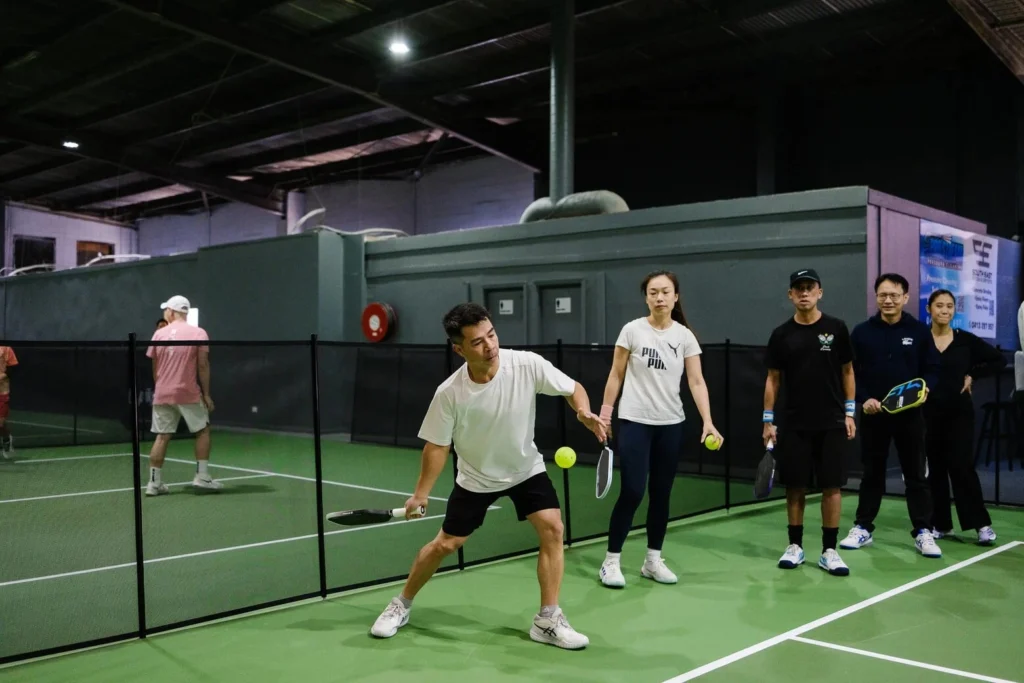
When searching for suitable pickleball court locations, players should focus on three practical factors that directly affect how enjoyable and sustainable regular play becomes: reliable and consistent opening schedules, access to nets and clearly marked courts, and a player environment that matches their current skill level.
Many new pickleball court locations are shared informally through local club groups, community networks, and social media before they appear on official council or booking platforms. For new players, staying connected to local pickleball communities is often the fastest way to discover newly activated or temporary playing venues.
Travel distance, parking availability, and overall venue accessibility play a decisive role in whether players continue attending sessions consistently. Courts that are easy to reach and simple to access remove common participation barriers and support more regular practice and social play.
After players settle into a consistent playing location, equipment can be upgraded progressively to better suit their environment and playing style. Models such as the Sypik Triton Pro paddle and the Sypik Avatar paddle are designed to deliver stable and predictable feedback across both indoor and outdoor playing conditions, supporting a smooth transition between different court surfaces.
Court environments influence far more than player comfort. They directly affect rally length and tempo, tactical decision-making, movement patterns, and the frequency of unforced errors under pressure. The physical setting of a court becomes an active factor in how players read the game and execute each shot.
Courts with limited run-off space, heavy visual clutter behind baselines, or excessive player congestion often force rushed swing execution and late positioning. These constraints encourage low-percentage shot choices and increase reliance on reactive, defensive play rather than structured rally building.
In contrast, well-maintained and appropriately managed courts support more stable rally structures and deliberate shot construction. Clear visual backgrounds, sufficient spacing,, and controlled court flow allow players to receive more accurate technical feedback during training and social play.
Choosing the right court environment shortens the learning curve just as effectively as selecting the right Sypik paddle or using structured training resources. A supportive court setting allows players to develop confidence, consistency and tactical awareness without unnecessary environmental interference.
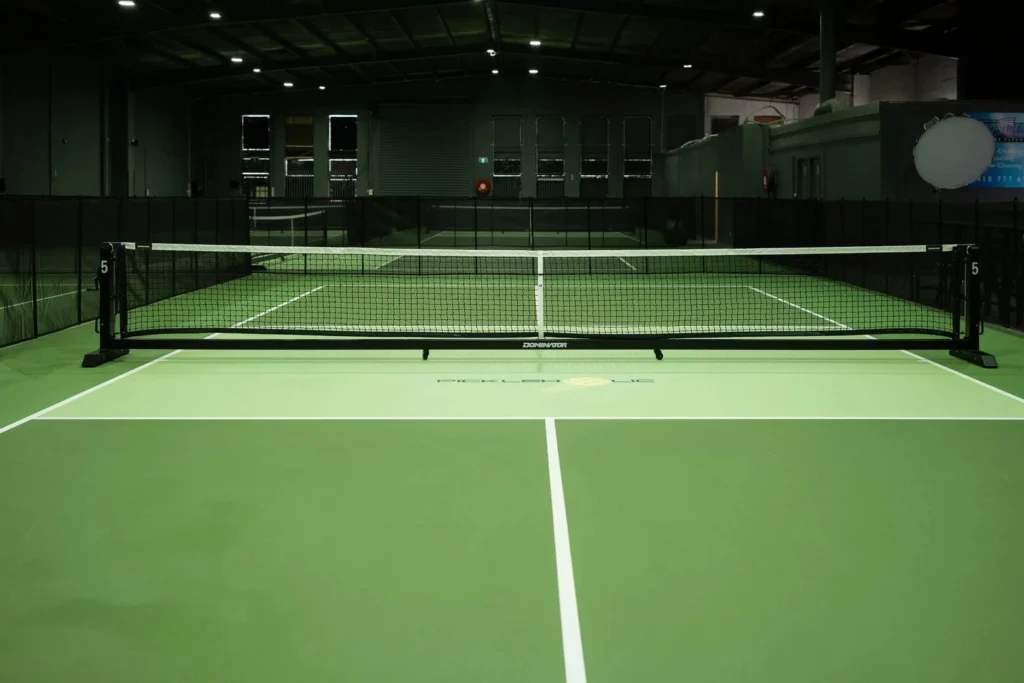
The network of pickleball courts across Australia continues to expand, from outdoor park facilities to indoor recreation centres. Understanding:
Allows players to make better decisions about where to train, how to structure their learning, and how to select appropriate equipment.
Whether you are discovering your first public court or searching for a more stable venue to improve performance, combining the right playing environment with supportive community culture and learning-focused equipment from Sypik Australia creates a strong foundation for long-term pickleball enjoyment and development.
Find your nearest court, then get match-ready with Sypik Australia equipment built for real Australian playing conditions!