No products in the cart.

Menu
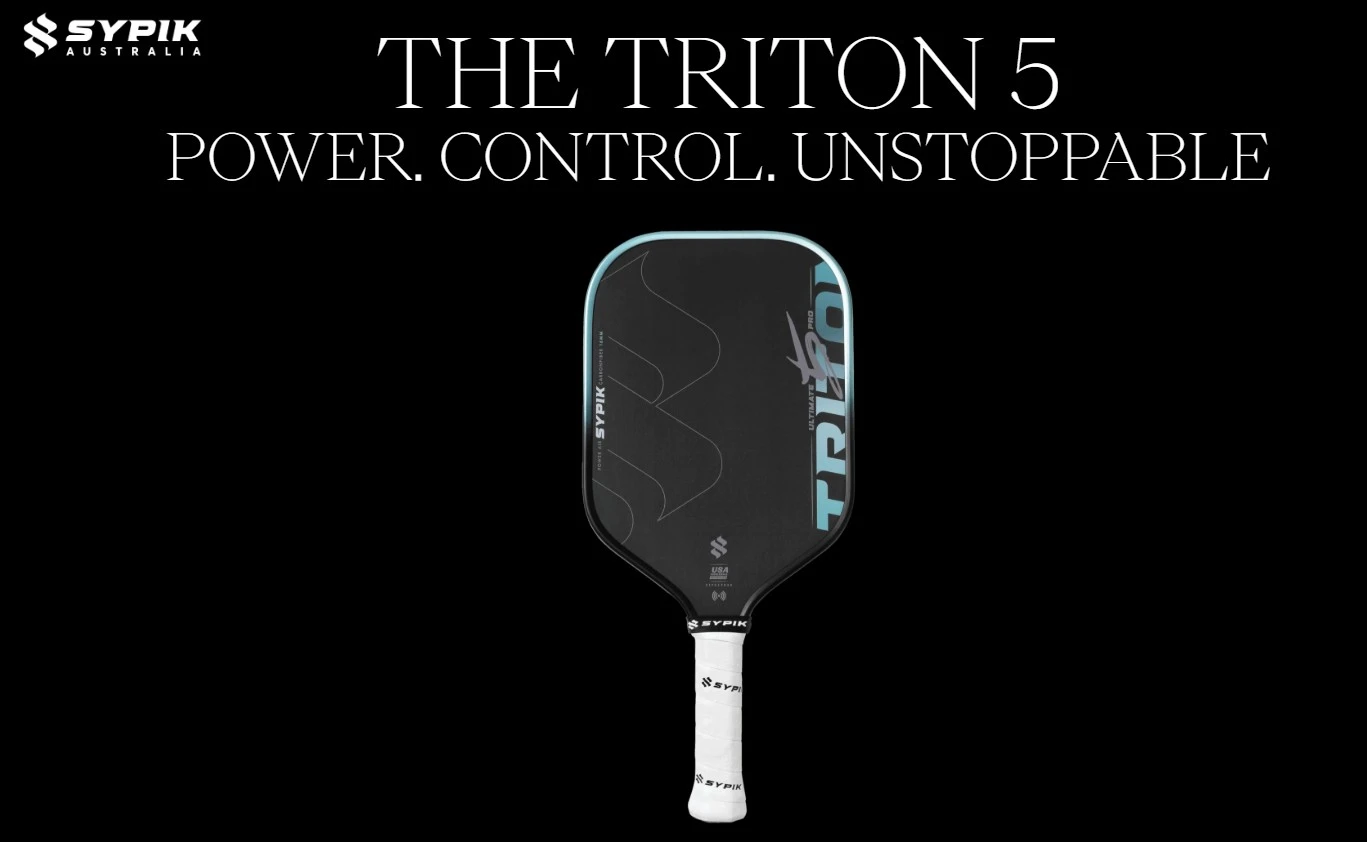
Across Australian community courts and social clubs, lightweight pickleball paddles are increasingly favoured for their easy handling, faster reaction speed, and reduced fatigue during long playing sessions. This makes them particularly suitable for social play formats where players rotate frequently and remain on court for extended periods.
The accessibility of lightweight designs for players with different technical backgrounds and physical conditions also drives this growing preference. For beginners, seniors, and returning players, lighter paddles reduce the learning barrier by making stroke timing, positioning, and recovery movements easier to manage, while still providing sufficient stability for consistent ball control during social and community-based play.
Compared with traditional heavier designs, a light pickleball paddle allows players to respond more quickly at the non-volley zone and maintain stable hand positioning during rapid exchanges and extended rallies. This improved manoeuvrability supports cleaner defensive blocks and more controlled soft shots.
In practical play, this advantage becomes most noticeable during fast volley exchanges and quick hands battles at the kitchen line, where even small reductions in swing weight can improve reaction timing. As a result, players using lightweight pickleball paddles are often better able to reset pace, absorb incoming power, and maintain consistency under sustained pressure at the net.
The growing preference for lightweight paddles is closely linked to the expansion of casual and social pickleball in Australia, where players commonly participate in multi-hour sessions rather than short, competition-focused matches. In these environments, comfort and fatigue management become more important than raw power output.
In this context, lightweight pickleball paddles help players stay comfortable and technically consistent throughout long rotations and mixed-ability games. By reducing cumulative arm and wrist strain, they support sustainable play habits and make extended social sessions more enjoyable for a broader range of players.
As part of a complete pickleball equipment setup, lightweight paddles help support consistency, comfort, and long-term usability for a wide range of age groups and physical ability levels, making them one of the most practical paddle categories for the Australian recreational market.
In practical terms, this allows players to build a more balanced setup that remains comfortable across long sessions and frequent weekly play. For Australian recreational players, lightweight pickleball paddles integrate easily with everyday gear choices and help maintain a reliable on-court experience without overloading the arm or shoulder.
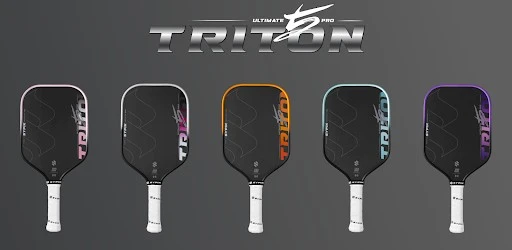
A light pickleball paddle generally falls within a lower weight range designed to improve manoeuvrability while still maintaining sufficient on-court stability for everyday play. In practical terms, this lower weight range helps reduce arm and wrist strain during long sessions, while still providing enough mass to maintain reliable ball contact and predictable rebound on both soft shots and controlled drives.
Beyond static weight, swing weight, balance point, and handle construction strongly influence how lightweight pickleball paddles feel during real rallies and fast exchanges. These factors determine how quickly the paddle accelerates, how stable it feels on off-centre hits, and how comfortably players can transition between defensive blocks and controlled attacking shots without losing timing or consistency.
Many players assume the lightest option is always better. In practice, an overly light paddle can reduce shot depth, control on resets, and overall stability, especially for players who rely on controlled drives and placement. As a result, players should prioritise balanced construction and core stability rather than chasing the lowest possible weight, particularly when selecting lightweight pickleball paddles for long-term skill development and match consistency.
The best lightweight pickleball paddle is therefore one that combines reduced mass with solid construction, allowing players to gain speed and comfort without sacrificing consistency and impact stability. This balance ensures that players can maintain reliable shot depth, predictable touch at the net, and stable feedback during fast rallies and extended training sessions.
Modern lightweight pickleball paddles are engineered with thinner face layers that remain structurally rigid, allowing manufacturers to reduce overall mass without compromising impact stability. This design approach helps preserve control and feedback while improving manoeuvrability during fast exchanges.
By maintaining stiffness across the hitting surface, thin face constructions in lightweight pickleball paddles also support more predictable rebound behaviour, allowing players to control shot depth and placement more confidently, even when playing at higher rally speeds or under defensive pressure.
Carbon fibre and graphite faces dominate lightweight pickleball paddles because they deliver fast energy return with minimal added weight. These materials support responsive touch at the net and sharper directional control while keeping the paddle easy to handle over long sessions.
In addition, the high strength-to-weight ratio used in lightweight pickleball paddles allows manufacturers to maintain consistent surface performance and long-term durability, making carbon and graphite faces well-suited for frequent play in Australian outdoor conditions.
Inside lightweight pickleball paddles, polymer honeycomb cores are widely used in Australia due to their balanced sound profile, effective vibration damping, and durability under regular recreational and club play. This core structure helps stabilise thin face layers and maintains consistent performance across repeated impacts.
In lightweight paddle designs, polymer cores also contribute to a more forgiving feel and improved control on soft shots, helping players maintain consistency during long rallies without increasing overall paddle weight.
Because lightweight pickleball paddles rely on thinner constructions, many players pair them with compatible pickleball accessories such as edge protection and grip systems. These additions help preserve frame integrity, protect bonding layers, and maintain the original balance characteristics over time.
This is especially important for players who train frequently on outdoor courts, where surface abrasion and repeated contact can accelerate wear on lightweight paddle frames and edges.
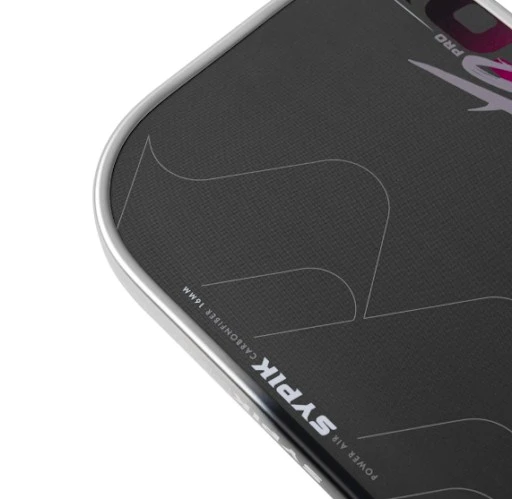
Lightweight pickleball paddles naturally promote faster hand movement and better awareness of paddle positioning, especially during quick exchanges near the net. The reduced mass allows players to react earlier and adjust the paddle face more easily in fast, unpredictable rally situations.
For developing players, improved manoeuvrability from lightweight pickleball paddles translates into more reliable defensive blocks and greater control over soft shots at the kitchen line. Lighter paddles make it easier to stabilise the paddle face during dinks, drop shots, and short resets under pressure.
When combined with structured pickleball skills training, lightweight paddles help players refine touch shots, reaction volleys, and reset techniques without placing excessive physical strain on the wrist, forearm, and shoulder. This makes them particularly suitable for longer practice sessions focused on repetition and technical consistency.
Despite their benefits, lightweight pickleball paddles do not replace sound technique. Long-term skill development still depends primarily on timing, footwork quality, and stroke execution rather than paddle weight alone.
For beginners and casual players, forgiveness and a manageable swing weight are far more important than advanced performance technologies. A lightweight paddle that feels easy to swing helps new players focus on learning basic stroke mechanics instead of compensating for an uncomfortable or demanding paddle setup.
In social and community environments, where players often train for extended periods, a lighter and more forgiving paddle also helps reduce early fatigue and lowers the risk of overuse discomfort in the wrist and forearm, allowing beginners to practise longer and build technique more consistently without physical strain becoming a limiting factor.
A lightweight paddle with a generous sweet spot reduces the impact of off-centre hits and lowers the frequency of mishits during rallies. This directly supports faster confidence building and encourages players to stay engaged during longer social sessions and early training stages.
A larger effective hitting area also allows beginners to experience more consistent ball response across different contact points, helping them develop a reliable feel for timing and depth control while gradually improving stroke accuracy without being overly penalised for minor technical errors.
New players are strongly encouraged to consult pickleball beginner tips before investing heavily in equipment. One of the most common mistakes is purchasing advanced or highly specialised paddles too early, before developing consistent timing, control, and positioning.
By starting with a well-balanced lightweight paddle that prioritises comfort, forgiveness, and stability, beginners can progress more naturally through the early learning phase. This approach allows players to better understand their own playing preferences and physical needs before committing to higher-end or performance-focused models, reducing unnecessary upgrade cycles and ensuring that future paddle choices are driven by genuine on-court experience rather than marketing claims.
Overall, lightweight paddle designs offer a safe and adaptable entry point for most recreational and social players. They provide enough performance for skill progression while remaining comfortable and forgiving during the early stages of learning.
In the Australian recreational environment, where players often transition gradually from casual play to more structured sessions, this flexibility helps support long-term participation and reduces the pressure to upgrade equipment too quickly as skills and playing confidence develop.
Australian pickleball participation remains heavily outdoor-based, where wind exposure, abrasive court finishes, and strong UV conditions can gradually influence how lightweight paddles perform and age over time. These environmental factors place greater emphasis on surface durability, edge protection, and long-term structural stability.
Players who frequently rotate between public facilities should understand how pickleball courts differ in surface hardness, coating materials, and shock absorption. These variations directly affect ball response and the amount of vibration transmitted through lightweight paddles during extended play.
As indoor venues continue to expand, understanding the differences between outdoor courts and indoor pickleball courts helps players select lightweight paddles that maintain a consistent feel, control, and comfort across both environments.
As players progress to higher levels, lightweight paddles continue to provide clear advantages in rapid exchanges, counter-attacks, and defensive transitions. Faster hand speed and easier repositioning allow players to respond more effectively during high-tempo rallies and pressure situations at the net.
In competitive and semi-competitive environments, this improved manoeuvrability also supports quicker recovery between shots, allowing players to reset their positioning more efficiently after defensive blocks or stretched returns. Over longer matches, the reduced physical load of lightweight paddles helps players maintain reaction speed and hand coordination, which becomes increasingly important as rally intensity and decision-making pressure increase.
For competitive play, reduced paddle mass must not come at the expense of shot penetration or impact stability. Players who rely on deeper drives, controlled resets, and counter-punching tactics should ensure that their lightweight paddle still delivers sufficient mass behind the ball to maintain consistency under match pressure.
In practice, this often means choosing a lightweight model with a slightly higher swing weight or a more stable core structure to compensate for reduced overall mass. By testing how the paddle performs during full-speed drives and pressured exchanges, competitive players can confirm whether speed gains remain balanced with reliable depth, control, and match-ready stability.
Understanding pickleball tips related to shot selection, court positioning, and rally management helps players determine whether a lightweight paddle genuinely supports their competitive playing style, rather than simply offering comfort and manoeuvrability advantages.
Applying pickleball tips on shot selection, positioning, and rally control allows players to more accurately judge whether a lightweight paddle truly supports their competitive game strategy, instead of only delivering comfort and improved manoeuvrability.
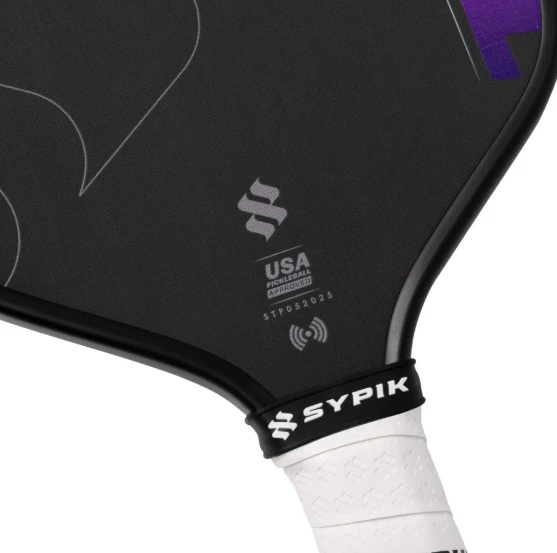
Sypik Australia continues to expand its lightweight paddle portfolio alongside its wider performance-oriented range, giving players more options that prioritise speed, comfort, and everyday playability.
This expansion is driven by feedback from Australian recreational and club players who seek lighter paddles that remain stable during fast rallies, soft resets, and extended social sessions, while still delivering enough control and consistency to support ongoing skill progression.
Within this portfolio, selected performance models such as the Sypik Triton Pro paddle and the Sypik Avatar paddle represent Sypik’s approach to balancing lightweight handling with competitive-level control and structural stability.
The brand places strong emphasis on balance, stability, structural durability, and long-term usability under typical Australian conditions, including outdoor heat, frequent social sessions, and mixed indoor–outdoor play, which aligns closely with the performance expectations of lightweight pickleball paddles.
Each Sypik pickleball paddle is developed to integrate consistently with Sypik’s broader equipment ecosystem, allowing players to build a cohesive and reliable setup rather than combining components with mismatched balance or performance characteristics.
This design focus ensures that lightweight pickleball paddles retain their original feel and performance over time, even when exposed to higher temperatures, UV exposure, and repeated impacts on outdoor hard courts. For Australian players who regularly move between public outdoor venues and community indoor facilities, this durability-driven approach supports consistent handling characteristics and reduces the need for frequent paddle replacement during the season.
When selecting the best lightweight pickleball paddle, the first factor to evaluate is how the paddle feels during real swings and quick exchanges. A well-balanced lightweight paddle should feel stable at contact and remain easy to reposition at the net, without producing unwanted vibration or head-heavy drag during rapid transitions.
Grip comfort plays a direct role in long-term control and fatigue management. The correct grip circumference supports relaxed hand pressure, smoother wrist movement, and more consistent touch shots, especially during extended social and training sessions where lightweight pickleball paddles are most commonly used.
Players should also assess how the paddle surface responds during both soft shots at the kitchen line and faster drives from mid-court. A suitable option among lightweight pickleball paddles should offer predictable rebound on quick exchanges while still providing enough dwell and feedback for drops, resets, and controlled placement.
Rather than comparing specifications alone, players should focus on how the paddle supports their natural stroke mechanics, footwork patterns, and movement habits. Choosing the right pickleball paddle is ultimately a functional decision based on playing style and comfort, not a marketing-driven one.
Lower paddle mass in lightweight pickleball paddles helps reduce repeated stress on the wrist, forearm, and elbow during long training blocks and extended social sessions. Over time, this lower mechanical load supports more comfortable stroke execution and reduces the likelihood of overuse discomfort.
This comfort benefit helps players stay consistent across multiple sessions each week, especially in Australia’s social and community playing environment, where long matches and frequent court time are common.
For Australian community players who often participate in multiple sessions each week, fatigue management becomes a genuine performance factor rather than a comfort luxury. Lightweight pickleball paddles help players maintain hand speed, positioning accuracy, and rally consistency deep into longer playing days.
This sustained efficiency allows players to focus more on shot selection and movement quality, rather than adjusting their technique to cope with physical fatigue during extended social or club sessions.
Long-term comfort is further improved when lightweight pickleball paddles are paired with well-designed grip systems and vibration-damping handles. Together, these elements help absorb micro-shock at impact, stabilise hand pressure, and support sustainable playing habits over extended periods.
This combination is especially valuable for players training several times per week, as it helps maintain a consistent feel and control while reducing cumulative strain on the hand and forearm over long playing cycles.

Although lightweight paddles are widely accepted in recreational play, players planning to participate in organised competitions should remain familiar with pickleball court rules and paddle approval standards. Surface roughness, size limits, and construction requirements may influence eligibility in sanctioned events.
In the Australian market, lightweight pickleball paddles have evolved from niche alternatives into mainstream performance tools. For players seeking faster reactions, reduced fatigue, and adaptable all-court play, lightweight designs represent one of the most practical and sustainable choices available today.
Explore the latest lightweight range from Sypik Australia and find a paddle that matches your playing style, comfort needs, and long-term performance goals today!