No products in the cart.

Menu
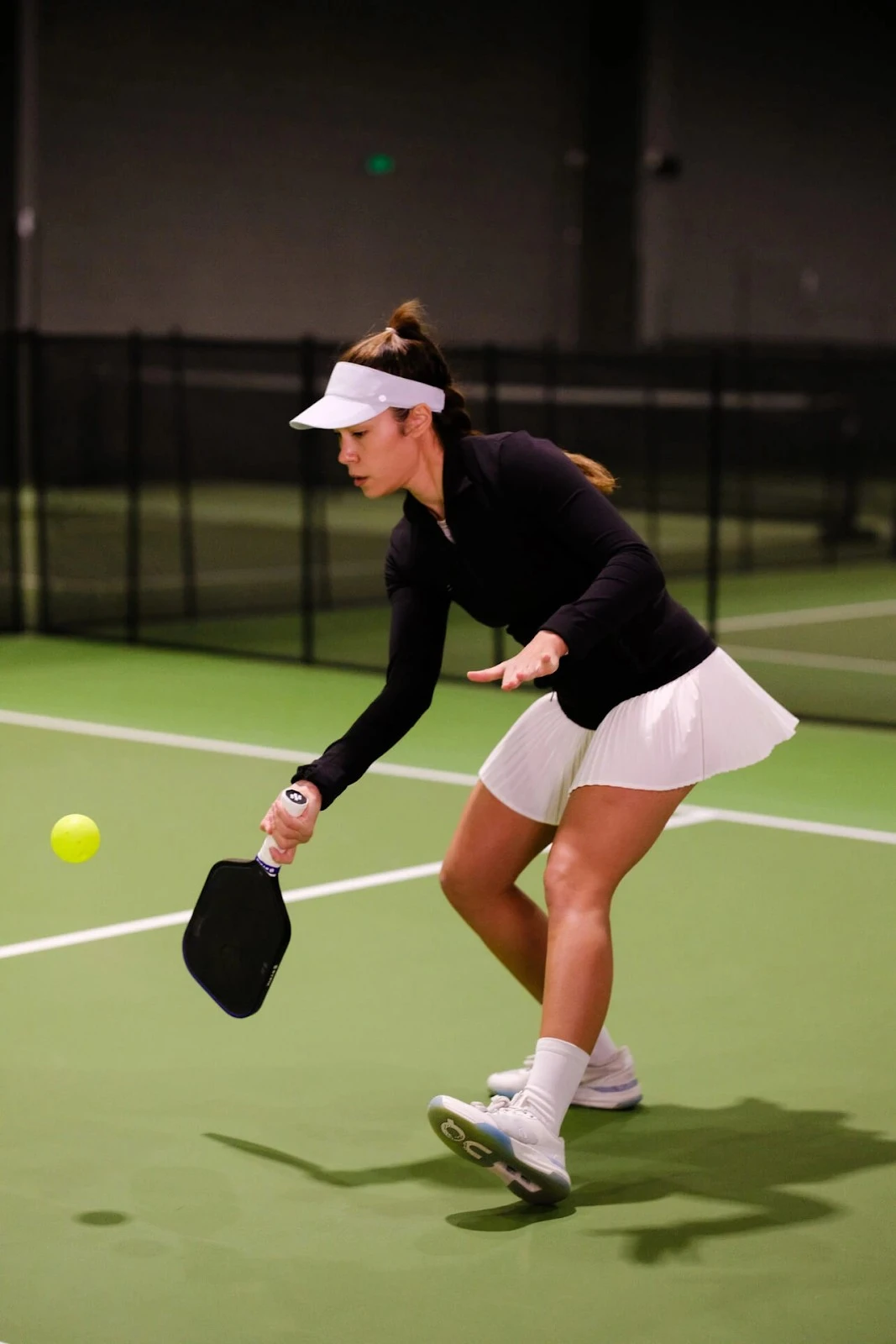
Pickleball is growing rapidly across Australia, especially in outdoor community courts, schools, and shared recreation spaces. For new and casual players, the challenge is not only learning the rules, but also understanding how to practise effectively, choose suitable equipment, and build consistent technique without over-complicating the learning process.
This guide focuses on practical, court-ready pickleball tips that reflect how most Australians actually play – outdoors, in social groups, and across different public venues. The recommendations are aligned with equipment standards and learning approaches commonly promoted by retailers and specialist brands such as Sypik Australia, whose product ranges are designed specifically for recreational and entry-to-intermediate players.
In line with this practical learning approach, Sypik Australia also actively recommends the same core principles highlighted throughout this guide — from choosing beginner-friendly paddles and outdoor-ready balls to prioritizing control, positioning, and simple practice routines.
The tips presented in this article reflect the way Sypik Australia structures its product selection and player guidance for the local market. These pickleball tips help new and casual players build reliable fundamentals, adapt confidently to outdoor playing conditions, and progress steadily from social play toward more consistent and competitive performance.
Many early performance problems do not come from poor technique, but from using unsuitable or mismatched pickleball equipment. Borrowed paddles and generic starter gear often ignore important factors such as weight balance, grip sizing, and ball type, which directly influence control, comfort, and consistency.
When selecting your first setup, focus on three practical elements:
These fundamentals create a stable foundation for learning and reduce unnecessary physical fatigue. These pickleball tips focus not on maximizing power or advanced performance, but instead help beginners build consistent stroke mechanics and court awareness with less physical stress.
By removing common equipment-related barriers early on, players can focus more effectively on timing, positioning, and shot control, which leads to faster and more sustainable skill development in outdoor playing conditions.
Most Australian play takes place on harder, more abrasive outdoor surfaces. Softer indoor balls tend to wear quickly and behave inconsistently when exposed to wind and strong sunlight. As part of practical pickleball tips, using outdoor-rated balls and paddles designed for outdoor use improves bounce reliability and produces more predictable ball flight, which is critical for early timing development.
In addition, equipment that is engineered specifically for outdoor environments maintains its performance characteristics for longer under frequent social play. This consistency allows beginners to experience more reliable feedback from each shot, accelerating their ability to judge depth, spin, and pace without having to constantly adapt to changing ball behaviour or premature equipment wear.
A common beginner mistake is investing too early in high-power paddles before developing basic stroke mechanics. As part of effective pickleball tips, equipment at the learning stage should support control rather than compensate for unstable timing or footwork. Moderate face responsiveness and forgiving sweet spots help new players build reliable contact patterns instead of relying on excessive rebound.
In practice, starting with a more controllable paddle also encourages proper swing mechanics and point construction, rather than shortcut solutions based on raw power. This helps beginners develop confidence in placement and consistency, which forms a far stronger technical foundation for progressing to higher-performance paddles later.
In practical terms, your first setup is not about performance optimization—it is about learning stability. As part of effective pickleball tips, consistent paddle response allows you to focus on posture, spacing, and swing timing rather than constantly adjusting to unpredictable feedback from the paddle face.
As a result, equipment that behaves predictably across different courts and sessions accelerates skill acquisition and reduces cognitive load during rallies. This stability allows beginners to build repeatable movement patterns and develop technical awareness without unnecessary disruption from inconsistent equipment response.
For players who rotate between public parks, school courts, and shared recreational facilities, durability becomes a critical selection factor. As part of practical pickleball tips, reinforced edges and wear-resistant face materials significantly extend usable paddle life and maintain consistent playing characteristics under frequent social use.
In practice, choosing more durable equipment also reduces replacement frequency and ongoing costs for casual players. As part of smart pickleball tips, this allows beginners to maintain continuity in feel and performance across different venues, supporting more stable progression without repeatedly adapting to new paddle behaviour.
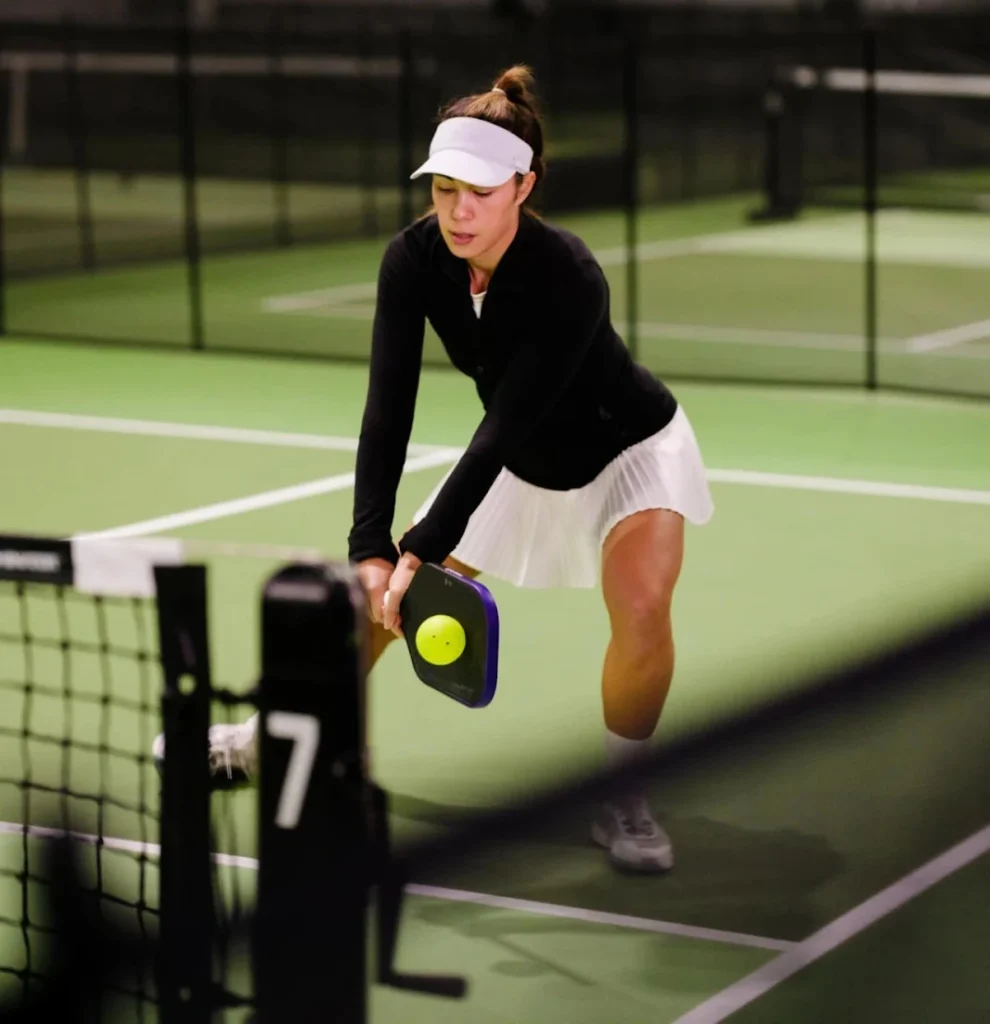
Your pickleball paddle is the main contact point between your body and the ball. Even small differences in face material, thickness, and balance can noticeably change feedback and shot feel, especially at the beginner stage.
Because every stroke is filtered through the paddle face, early equipment choices directly influence how quickly you learn to recognize clean contact and correct spacing. As part of effective pickleball tips, a paddle that delivers consistent, predictable feedback helps beginners build reliable motor patterns, adjust swing timing more accurately, and develop better touch around the non-volley zone without over-correcting for unstable rebound behaviour.
For learning players, paddles with a softer face response and a mid-weight frame provide better control for resets, dinks, and block shots. As part of practical pickleball tips, highly stiff or power-oriented paddles often create unstable launch angles and amplify timing mistakes before swing paths and spacing are fully developed.
This type of control-oriented construction allows beginners to slow the game down and concentrate on directional accuracy, height control, and shot selection rather than compensating for excessive rebound. As part of effective pickleball tips, players can stabilize contact patterns more quickly and build confidence at the net, forming a more reliable foundation before progressing to faster or more aggressive paddle designs.
When selecting a learning-friendly paddle, focus on:
Players who practise primarily on outdoor courts in Australia should prioritize paddles with surface treatments designed to resist abrasion and UV exposure. As part of practical pickleball tips, over time, worn face texture reduces spin reliability and touch consistency, directly affecting soft-game development.
This added durability helps maintain a more predictable ball response over longer periods of outdoor play, allowing players to preserve consistent spin generation and soft-touch control. As part of practical pickleball tips, in learning environments where repetition is critical, stable surface performance ensures that technique development is not disrupted by gradual changes in paddle feel caused by weather and court abrasion.
At Sypik Australia, entry and intermediate paddles are positioned to support control-based skill development before players transition to higher-power frames. This reflects how most recreational players in Australia actually progress — through social and community play rather than structured academy programmes.
By prioritizing forgiveness, stability, and tactile feedback over raw power, this learning-first positioning helps players build confidence, shot control, and decision-making in real match situations. As part of effective pickleball tips, in social and community environments—where coaching support and structured drills are limited—equipment that accelerates self-guided learning becomes a practical performance advantage rather than a purely technical upgrade.
A suitable paddle should reinforce repeatable technique instead of compensating for technical gaps. As part of practical pickleball tips, the right paddle supports cleaner contact, smoother resets, and more confident net play as core mechanics stabilize.
Over time, this equipment-driven consistency allows players to trust their mechanics and focus on tactical decisions rather than constantly adjusting their swing to manage unpredictable rebound or excessive power. As part of effective pickleball tips, this results in more stable rally patterns and a smoother transition from basic stroke execution to purposeful shot construction.
Effective pickleball tips for beginners always start by reducing errors before adding tactical or technical complexity. At the early learning stage, your priority should be shot reliability rather than speed, spin, or aggressive winners. Consistent ball control allows you to stabilize timing, spacing, and decision-making before introducing higher-risk attacking options.
Three simple habits consistently separate players who improve steadily from those who stagnate.
These habits reduce unnecessary movement and improve reaction efficiency, especially during short exchanges and fast transitions at the kitchen line.
Many beginners struggle because they attempt to generate power almost entirely from arm motion. As part of effective pickleball tips, focusing instead on controlled weight transfer and a stable upper-body posture helps reduce off-centre contact and produces more predictable ball trajectories. This also makes it easier to control depth and height when the rally pace increases.
Another critical learning focus is spacing. As part of practical pickleball tips, you should position yourself far enough from the bounce so that contact occurs comfortably in front of your body. Late contact is one of the most common causes of lifted returns and defensive pop-ups, particularly when players feel rushed or lose their balance.
In social play environments, especially on busy public courts, rallies are often short and chaotic. As part of effective pickleball tips, developing soft hands and calm body positioning allows you to stay effective even when opponents vary pace, height, and direction unpredictably. This composure supports better blocks, controlled resets, and more stable defensive responses.
Core shots that build long-term improvement
Rather than memorizing advanced tactical patterns, beginners benefit far more from mastering a small set of reliable shots.
These fundamentals form the structural base for all future tactical development and competitive progression.
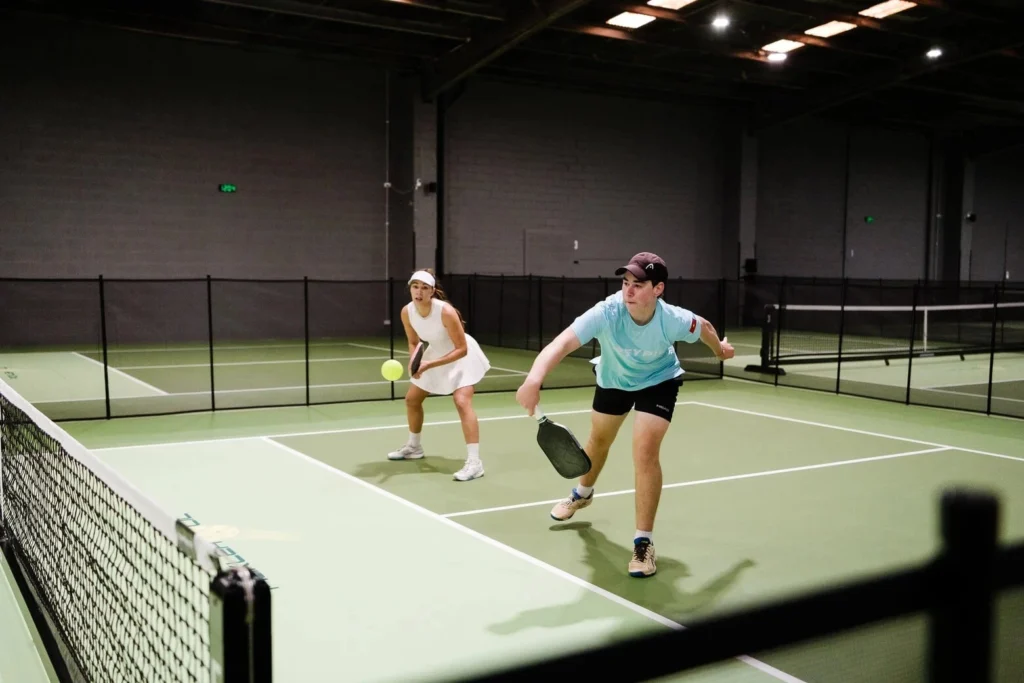
The most effective pickleball tips for practice are those that can be repeated easily without coaching supervision or specialized facilities. For most Australian players, training time takes place informally during social sessions or short community court bookings, so practice routines need to be simple, flexible, and realistic for everyday play environments.
Rather than running long multi-skill sequences, players should prioritize short drills that focus on only one technical objective at a time—such as dink control across the non-volley zone, block and reset patterns from mid-court, or controlled serve placement to wide and body targets.
As part of practical pickleball tips, isolating a single skill allows players to recognize technical errors more clearly and prevents different shot demands from interfering with learning.
During practice, rallies should be treated as technical repetitions rather than competitive points. As part of effective pickleball tips, this approach encourages players to pay attention to contact quality, ball height, paddle angle, and shot margin instead of focusing on whether the rally is won or lost, which significantly improves technical awareness.
A highly effective and easy routine is the short reset drill, where one player feeds medium-pace balls and the other practises soft resets into the kitchen. As part of practical pickleball tips, this drill develops touch control, paddle-face awareness, and defensive stability, while remaining easy to integrate into casual sessions without additional equipment or formal coaching.
For players who primarily use outdoor courts, practising under light wind conditions is extremely valuable. As part of effective pickleball tips, wind exposure is a realistic and unavoidable factor in many Australian courts, and learning how to adjust swing speed, trajectory margin, and shot selection under variable conditions improves match resilience and decision-making.
The most important principle behind effective practice is repetition supported by feedback. As part of practical pickleball tips, if a shot cannot be reproduced consistently in low-pressure practice situations, it is unlikely to appear reliably during competitive play, making structured repetition essential for sustainable improvement.
Efficient movement on pickleball courts plays a decisive role in rally success, especially for beginners who often become stuck in no-man ’s-land. Learning where to move and when to move reduces rushed shots and creates more stable contact positions during fast and unpredictable exchanges.
The most important movement pattern in pickleball is forward progression to the kitchen line immediately after the return of serve. As part of effective pickleball tips, staying at the baseline places players under constant defensive pressure and significantly limits opportunities to control the rally through volleys and soft shots near the net.
Effective movement relies on split-step timing just before the opponent makes contact, small adjustment steps rather than large lunges, and consistent side-by-side positioning with a partner. As part of practical pickleball tips, these mechanics allow players to stay balanced while maintaining efficient coverage of central and cross-court lanes.
Many beginners chase the ball laterally instead of shifting the entire defensive line together. As part of effective pickleball tips, proper team movement keeps spacing consistent, closes open gaps, and reduces the need for last-second reaching or stretching, which often leads to weak contact and pop-up errors.
Outdoor courts in Australia frequently vary in lighting conditions, background contrast, and surface friction. As part of practical pickleball tips, learning to adjust footwork speed and step length for these environmental differences improves balance and helps prevent late adjustments that commonly cause mis-timed contact.
When training movement, simple shadow drills without the ball are highly effective. As part of practical pickleball tips, practising forward progression, recovery back to a neutral base position, and rotational movement after wide shots helps reinforce positioning habits that transfer directly into live rallies.
Improved movement reduces unnecessary fatigue, increases shot quality, and simplifies decision-making under pressure. As part of effective pickleball tips, when players consistently arrive at the ball in a balanced and well-positioned stance, they gain more time to select safer targets and execute higher-percentage shots.
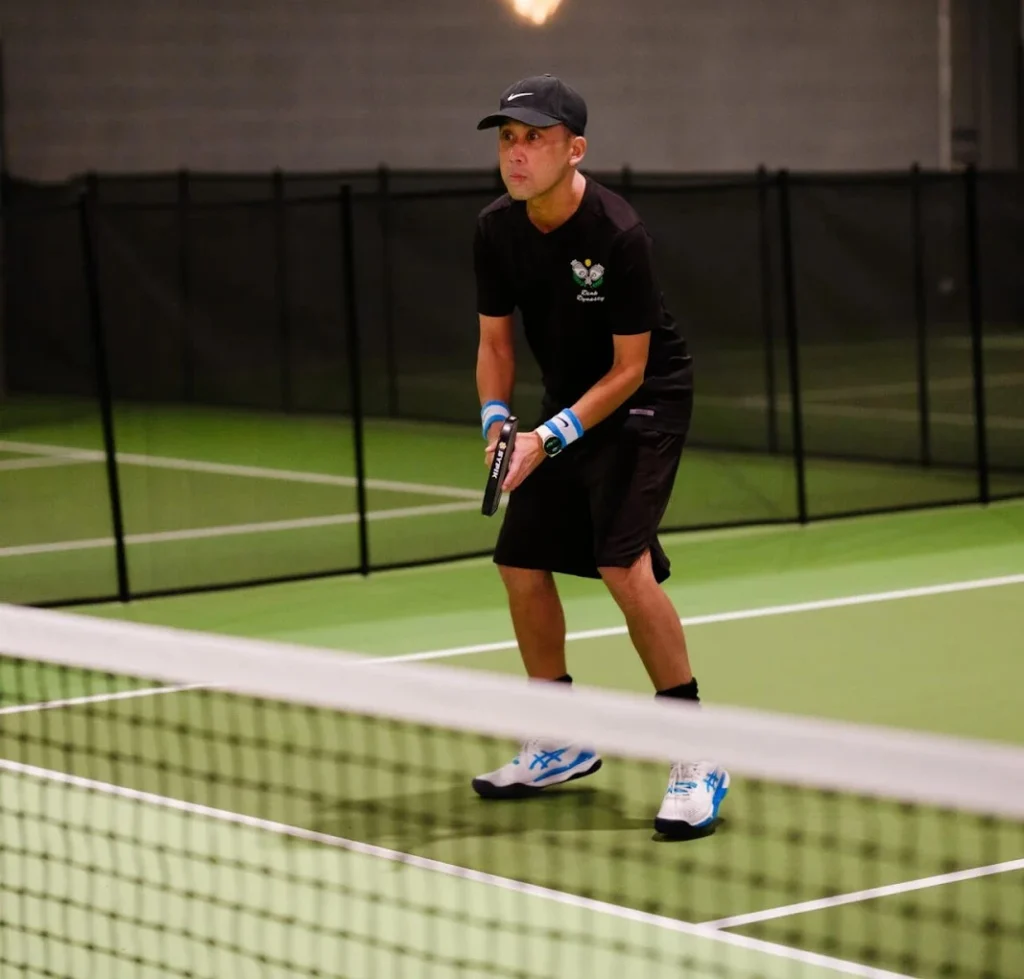
Many tactical mistakes arise not from technical weakness but from misunderstanding or ignoring practical pickleball court rules during live play. When players are unsure about basic regulations, they often select risky shots that immediately break rally structure and hand over easy points.
The non-volley zone rule directly affects shot selection, particularly during exchanges close to the kitchen line. Stepping into the non-volley zone while volleying results in an immediate fault, yet many beginners still attempt to attack floating balls from illegal positions. Learning to stay behind the line and use soft drops or controlled resets allows players to remain compliant while maintaining pressure at the net.
Three rule-related concepts strongly influence how rallies naturally develop. As part of practical pickleball tips, the two-bounce rule after the serve forces both teams to play at least one groundstroke before moving forward.
Non-volley zone restrictions prevent constant net attacks and encourage soft-game exchanges. Foot fault boundaries during serves ensure legal and repeatable service mechanics and reduce unnecessary faults.
Understanding how these rules structure rally flow allows players to choose safer and more effective options. As part of effective pickleball tips, recognizing that opponents must let the ball bounce after your return creates opportunities to play deeper and higher returns that push them into defensive third shots rather than aggressive drives.
Rather than memorizing rules in isolation, beginners benefit more from observing how experienced players construct rallies around these constraints. As part of practical pickleball tips, this makes it easier to understand why soft drops, patient resets, and controlled positioning consistently outperform aggressive net rushing in real match situations.
Stronger awareness of practical court rules improves tactical discipline and significantly reduces unnecessary point losses. As part of effective pickleball tips, it allows players to stay composed during fast exchanges and participate confidently in both social games and organized sessions.
For players who are unsure about long-term commitment, pickleball starter sets provide a practical and low-risk way to enter the sport. Well-designed starter bundles usually include two beginner-friendly paddles with reinforced edges and outdoor-rated balls that are suitable for regular use on public courts.
Starter sets are especially well-suited to families, school programmes, and social groups where equipment is frequently shared, and players rotate across different venues. As part of practical pickleball tips, having a complete and consistent setup in these settings helps reduce friction at the start of each session and allows new players to focus on learning rather than organizing gear.
Not all starter sets offer the same learning support. As part of effective pickleball tips, entry-level kits that prioritize balanced paddle feel and basic durability provide far better foundations than ultra-cheap sets that wear quickly and deliver inconsistent feedback. Poor build quality often leads to unstable ball response, which slows down timing development and creates unnecessary frustration during early practice.
Sypik Australia designs its beginner-focused starter bundles to maintain consistent paddle response across repeated outdoor sessions. As part of practical pickleball tips, this consistency helps new players develop more stable timing, cleaner contact, and better control before they consider upgrading to individual paddles.
A reliable starter setup allows beginners to concentrate on technique, positioning, and shot selection instead of compensating for unpredictable gear behaviour. As part of effective pickleball tips, when paddle response and ball performance remain stable, early learning becomes smoother, more repeatable, and significantly more confidence-building.
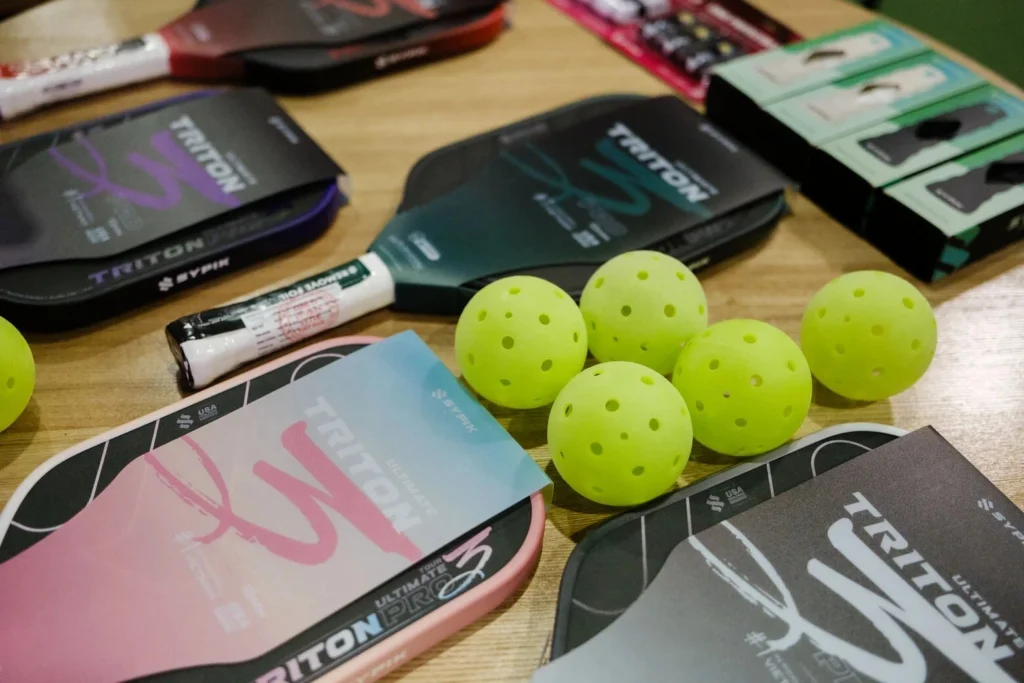
Developing reliable pickleball skills requires building technique in clear layers rather than attempting to master advanced shots too early. A gradual learning pathway allows players to stabilize contact quality and decision-making before introducing additional complexity.
An effective development order mirrors how rallies typically unfold on outdoor courts. Players benefit most when they first establish soft game control through dinks and drops, then develop defensive resets, followed by controlled volleys, and finally directional placement. This sequence supports patience, margin, and consistency before tactical variation.
In outdoor playing environments, pace control and rally management often influence outcomes more than raw power. Wind exposure, variable bounce, and shared public court conditions reward players who can keep the ball low, neutralize pressure, and maintain composure during longer exchanges.
Once basic consistency improves, players can begin integrating directional intent by targeting opponent movement patterns and exploiting gaps created between partners. At this stage, placement becomes a tactical tool rather than a high-risk experiment.
Confidence grows naturally as repetition reduces uncertainty and decision hesitation. Players should avoid introducing complex spin mechanics or deceptive shots until their base patterns remain stable under light pressure and varied ball speeds. A strong foundation of reliable patterns supports long-term confidence and sustainable skill progression.
Support tools and pickleball accessories play a subtle but important role in maintaining comfort and stable performance during regular play. Overgrips help manage moisture and improve grip security in hot outdoor conditions, while simple edge guards and paddle covers protect frames and surface finishes from abrasion commonly found on public courts.
Lightweight add-ons such as sweatbands, hats, and compact hydration carriers improve physical comfort and help players maintain focus during longer social bookings, particularly under strong Australian sun exposure. By reducing heat stress and hand discomfort, these small items indirectly support shot consistency and movement quality throughout extended sessions.
Accessories should be selected to enhance reliability, comfort, and basic equipment protection rather than introduce unnecessary complexity. A simple, practical setup allows players to focus on learning and execution instead of constantly adjusting gear during play.
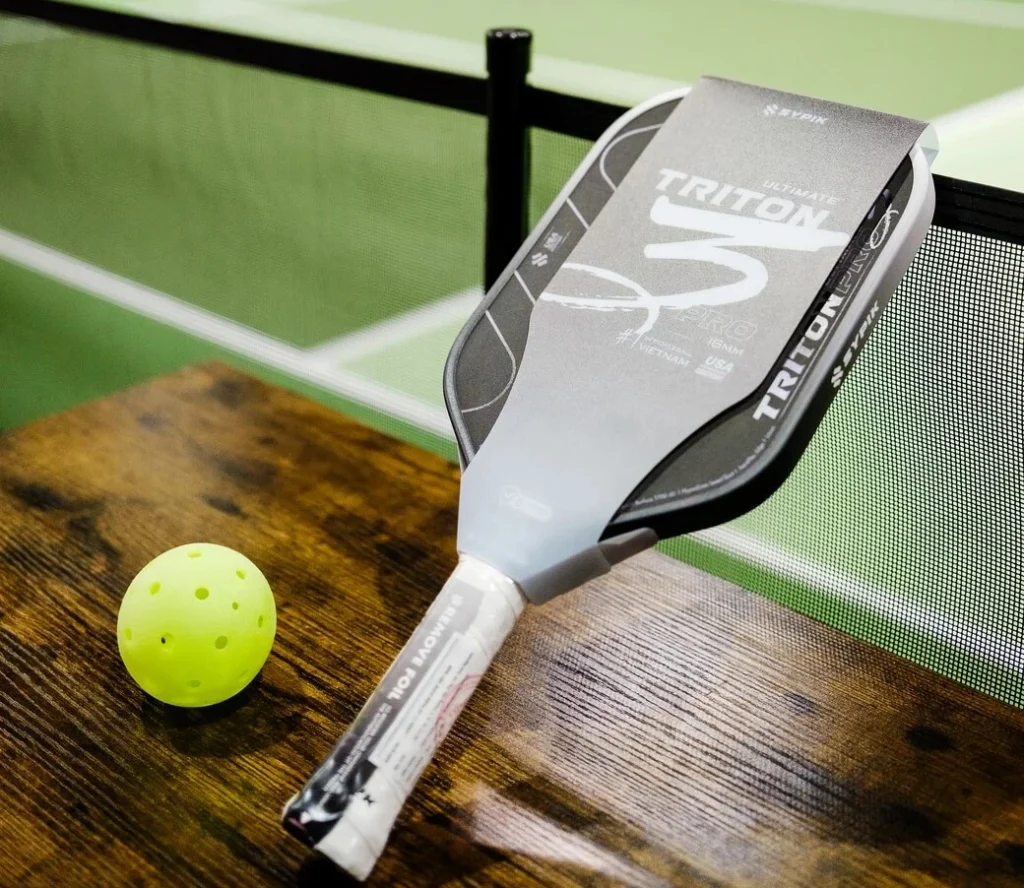
The most effective pickleball tips are those that align with how you actually play. For Australian recreational players, this means adapting technique, equipment, and practice habits to outdoor environments, mixed-skill groups, and shared facilities. By prioritizing:
You create a learning pathway that remains sustainable and enjoyable. As supported by brands such as Sypik Australia, beginner-to-intermediate development is most successful when players build stable fundamentals before pursuing advanced performance tools.
With the right structure and mindset, improvement becomes a natural outcome of consistent, purposeful play rather than trial-and-error experimentation.
Explore beginner-friendly paddles and starter solutions from Sypik Australia and start building more consistent, confident play in your very next session!